Animal testing has traditionally been used to assess the safety of pharmaceuticals, cosmetics, and chemicals. However, growing ethical concerns, high costs, time inefficiencies, and the challenges of translating results to humans have fueled a global shift toward adopting alternative testing methods.
Introducing Technologies That Replace Animal Testing
The wider we adopt alternative technologies, the closer we get to a future with fewer animals in labs.
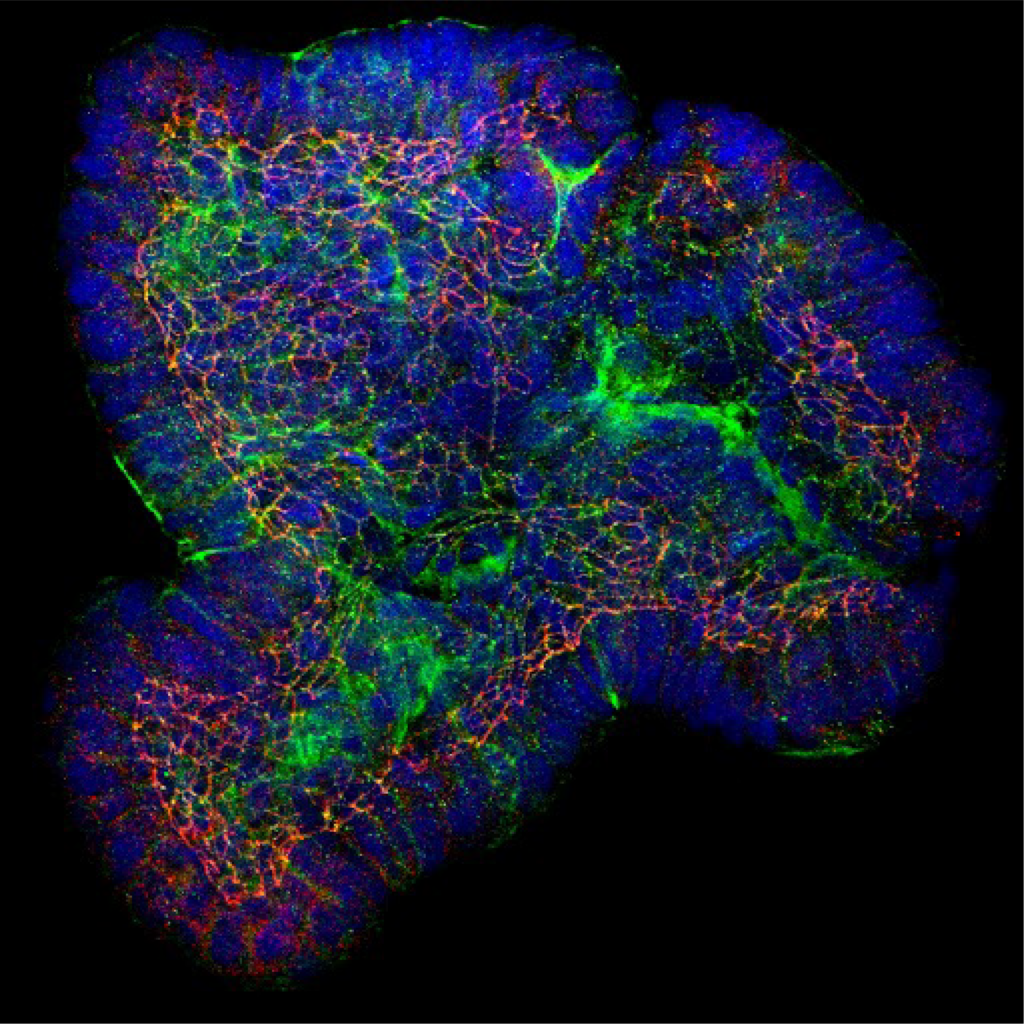
Organoid
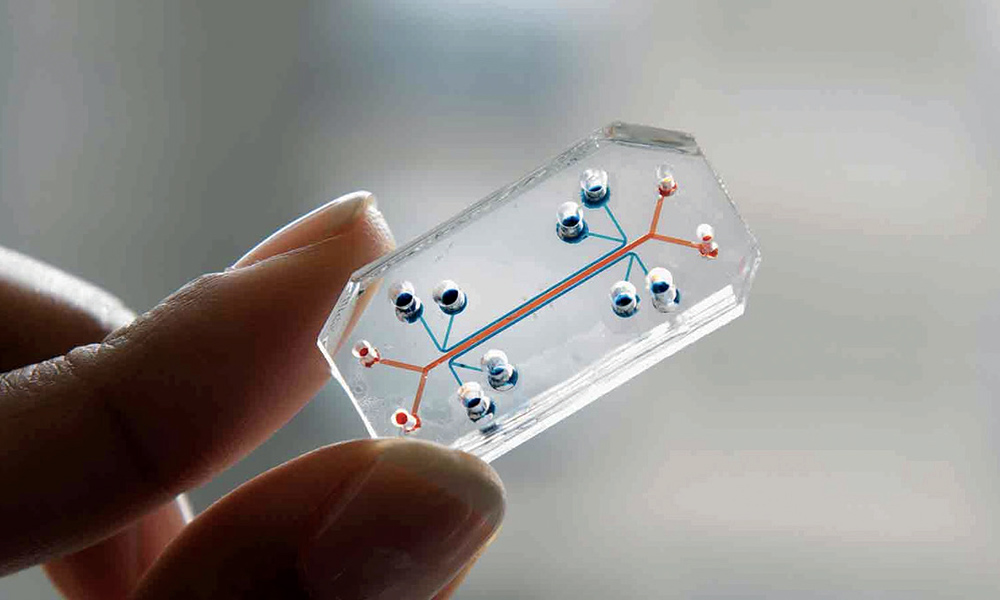
Organ-on-a-chip
3d bioprinting
AI Simulation
Non-invasive 3d bioprinting
(Source: National Institute of Health)
Organoids
Known as "mini-organs," organoids are three-dimensional structures grown from stem cells to replicate the structure and function of human organs. They are essential for studying diseases, testing drugs, and evaluating their safety and effectiveness.
Organ-on-a-Chip
This innovative platform mimics human organ systems on a microchip. By recreating physiological environments, it allows for precise drug testing, toxicity analysis, and disease modeling without relying on animal testing.
3D Bioprinting
Using bio-ink made from biocompatible materials and cells, 3D bioprinting builds functional tissues and organs layer by layer. It has wide-ranging applications, from creating tissue implants to advancing drug testing and regenerative medicine.
Artificial Intelligence (AI) Simulations
AI technology predicts drug performance and potential side effects, providing an effective alternative to animal testing during the early phases of research.
Non-Invasive Bioimaging
Advanced imaging tools like MRI, CT, and PET scans offer detailed views of biological structures and functions, eliminating the need for invasive or animal-based procedures.
Global Regulatory Landscape for Animal-Free Testing
European Union
2004 - Ban on animal testing for cosmetic products.
2009.03 - Ban on animal testing for cosmetic ingredients and the sales of cosmetics tested on animals.
2010.11 - Adoption of Directive 2010/63/EU, requiring welfare and ethical oversight committees at all EU testing facilities.
2013.01 - Full ban on animal testing for all cosmetics.
United Kingdom
1986 - Implementation of the Animals (Scientific Procedures) Act, requiring three types of licenses for animal testing (project, institution, and individual).
Japan
1973 - Introduction of the "Law for the Humane Treatment and Management of Animals,” later revised in 2005.
2006.06 - "Basic Guidelines for Animal Testing” issued by MEXT (Ministry of Education, Culture, Sports, Science and Technology) and MHLW (Ministry of Health, Labour and Welfare), highlighting pain reduction and the use of alternative methods.
United States of America
1966 - Establishment of the Animal Welfare Act (AWA), setting minimum welfare and care standards for vertebrates.
1985 - Mandate of Institutional Animal Care and Use Committees (IACUCs) for all federally funded animal experiments under the Health Research Extension Act.
2022.12 - FDA Modernization Act 2.0 eliminates the requirement for animal testing in drug approvals, recognizing alternative technologies.
Korea
2008.03 - Enactment of the "Laboratory Animal Act," setting legal standards for the protection and ethical treatment of laboratory animals.
2013.02 - Ban on animal testing in the development and manufacturing of cosmetics.
2015.07 - Implementation of a ban on animal testing for cosmetic ingredients, effective in 2018.
2021.06 - Establishment of ethical and scientific guidelines for conducting animal experiments.
2024.07 - Proposal of legislation to actively promote the development and adoption of alternative testing methods.
For donation receipt issuance: Resident registration number (individual) or business registration number (business)
For electronic issuance and contact purposes: Mobile phone number, email address
For CMS regular donations: Financial institution name, account number, account holder’s name, account holder’s date of birth (or business registration number)
③ Retention and Use Period
Until the purpose of issuing donation receipts and managing donations is achieved
However, if retention is required by relevant laws (Income Tax Act, Corporate Tax Act, etc.), it will be kept for the legally mandated retention period
④ Right to Refuse Consent and Disadvantages
You have the right to refuse consent to the collection and use of personal information.
If you refuse consent to mandatory items, receipt of donations and issuance of donation receipts may be restricted.